01
Choose your country and committee
Select a country to represent and take part in discussions. You will educate yourself on its economic and political landscape using the study guide, external sources and working groups.
Second edition Applications are open
Engage · negotiate · lead
—
Days
—
Hours
—
Minutes
until the
summit opens
85
Delegates expected
7
Committees, 14 seats each
2
Days of debate
4.42
Delegate rating, 2025
Process
01
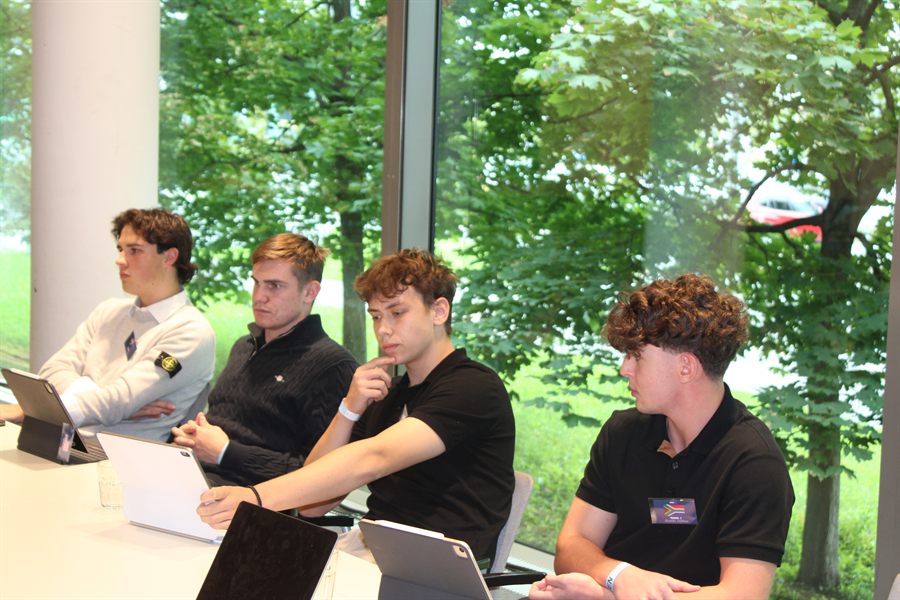
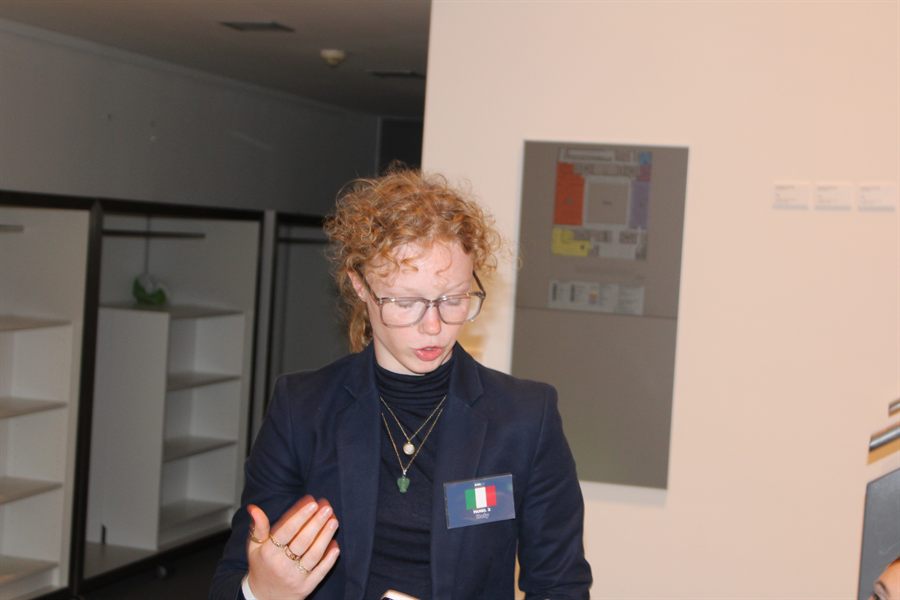
Select a country to represent and take part in discussions. You will educate yourself on its economic and political landscape using the study guide, external sources and working groups.
02
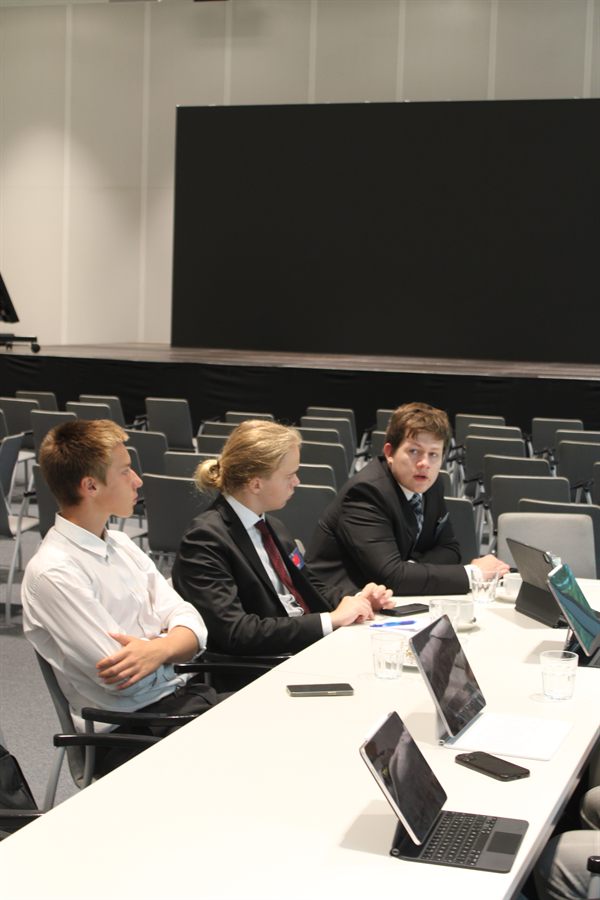
Advocate for your country's interests during plenary sessions and negotiate with other representatives. You can reach agreements through structured debate, or find compromise in bilateral meetings with opposing nations.
03
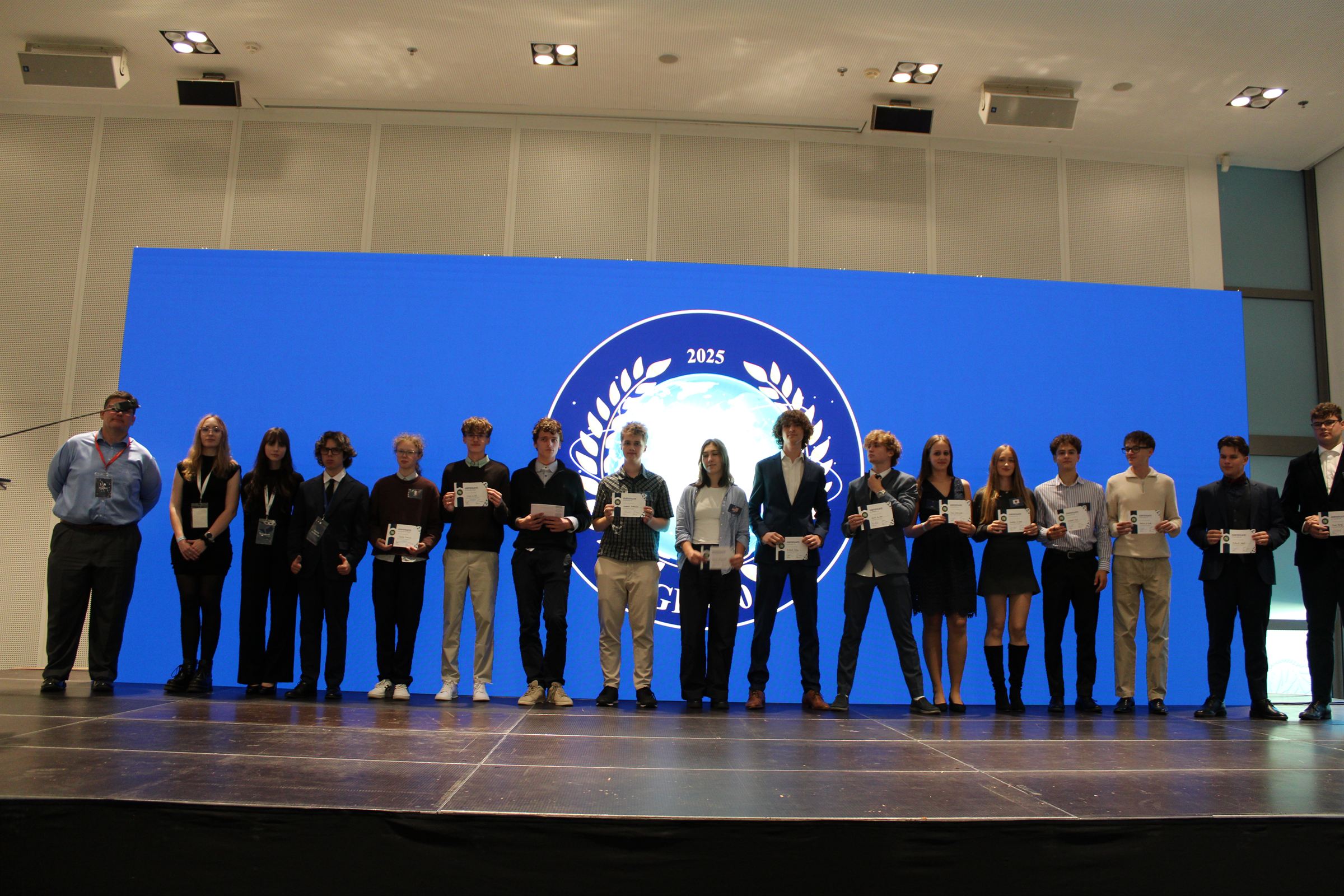
Work together to create a joint communiqué reflecting the agreed resolutions. If you disagree with the final outcome, you can write a Statement of Divergence to express your stance.
Overview
Gen20 is a student-led simulation of the Group of Twenty, designed to emulate the structure, operations and decision-making processes of G20 summits. It gives participants an opportunity to engage in high-level global discussions on economic, social and environmental policy. Gen20 focuses specifically on the G20 framework, emphasising consensus-building and collaborative problem-solving.
At Gen20, participants step into the shoes of world leaders, representing G20 member and guest countries as well as the leaders of major organisations. Topics of discussion include global economic stability, sustainable development, trade policy, climate change, health and technological innovation. Delegates must balance national interests against global priorities and work together to find real-world policy solutions.
Gen20 returns for its second year, open to new and experienced delegates alike, and is organised by students of Jur Hronec Grammar School in Bratislava.
Agenda 2026
Seven topics, running in parallel across both days of the summit.
01
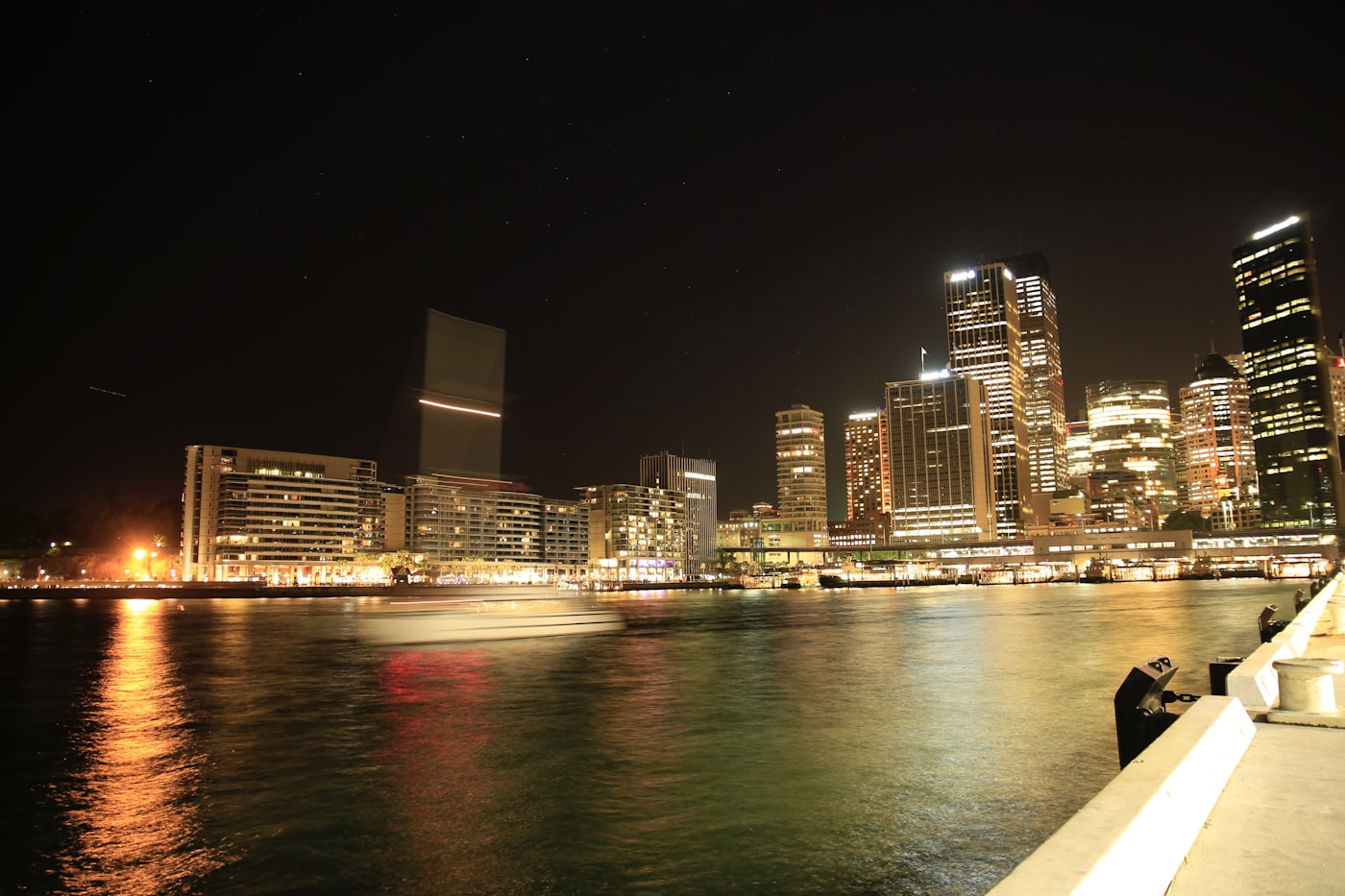
Actions that will allow for a quicker recovery post-COVID, improve macroeconomic policies, debt management as well as finances, all while maintaining the fragile international relations and the market balance.
14 seats
02
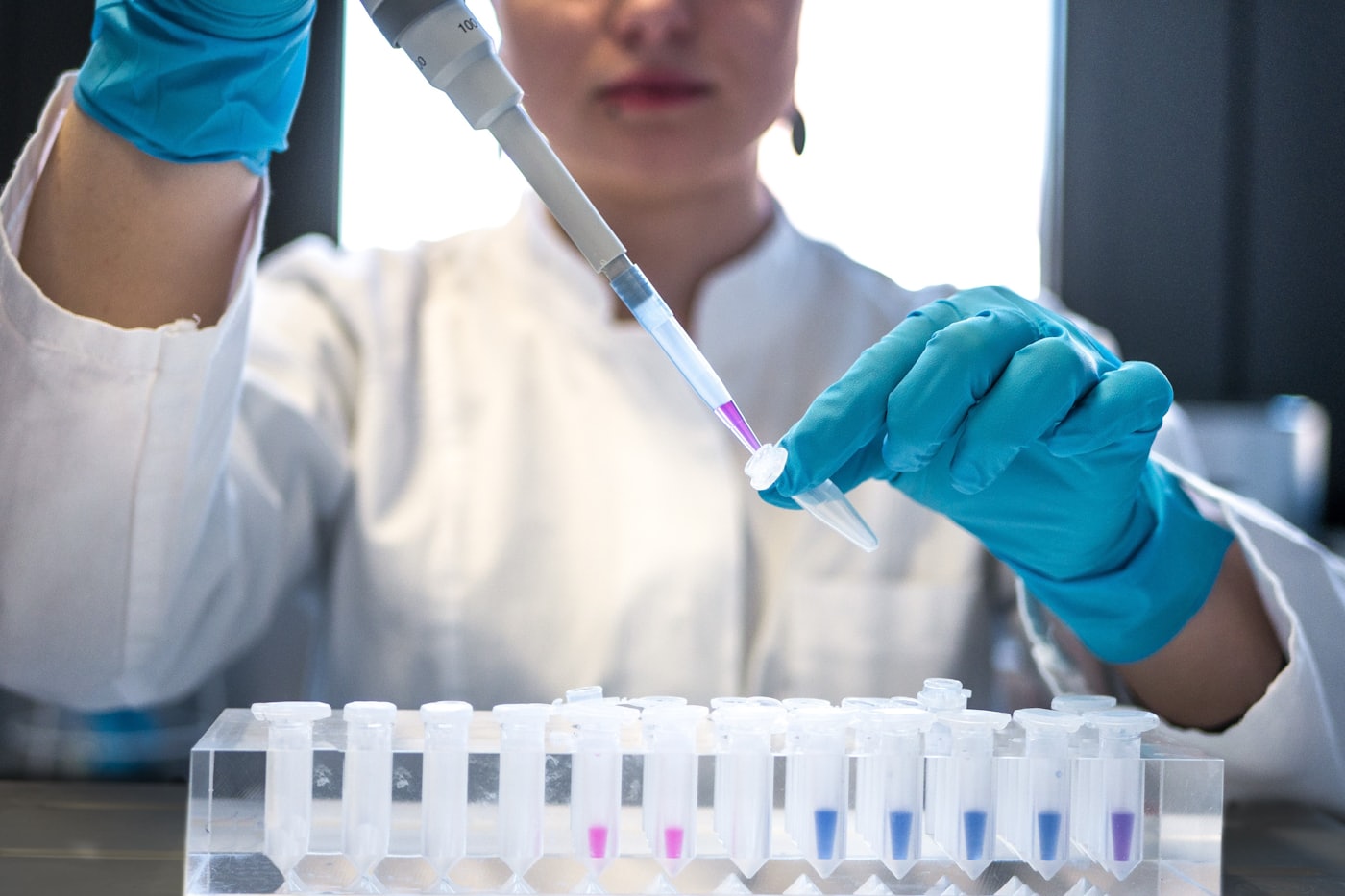
Measures that will allow countries to be more prepared for future pandemics, strengthen health infrastructure and health equity; aiming to lead the state with clear rules in times of crisis and build a solid network of healthcare facilities.
14 seats

03
Safety precautions that will promote energy transfers, nature-based solutions and improvement of biodiversity; addressing the biggest contributors to climate change and the creation of policies.
14 seats
04
Strategies that will lead to an inclusive, human-centred digitalisation, improved digital literacy and cybersecurity on both a national and worldwide level.
14 seats

05
Agreements and contracts that will lead to an improvement in energy procurement as well as food provision for countries in need; solutions have to be rapid and cost-effective to ensure a successful implementation.
14 seats
06
Policies that will help adjust institutions to modern times, make them more effective and more equal in representation among previously less represented countries, following the example of current leaders in reforms and politics.
14 seats
07
Agreements aiming at resolving various ongoing conflicts through the use of diplomacy, ensuring economic stability and a positive humanitarian impact.
14 seats
Programme
Session by session, how the two days run. All times are local (Bratislava, CEST).
Your mandate
Recognition
Applications
Applications for Gen20 2026 are open now and close on 14 September 2026.
Participation
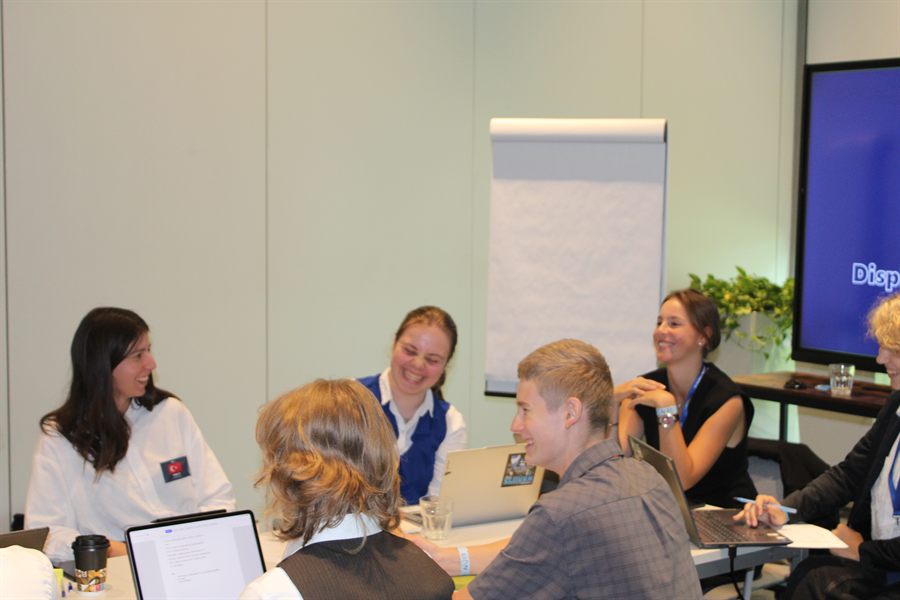
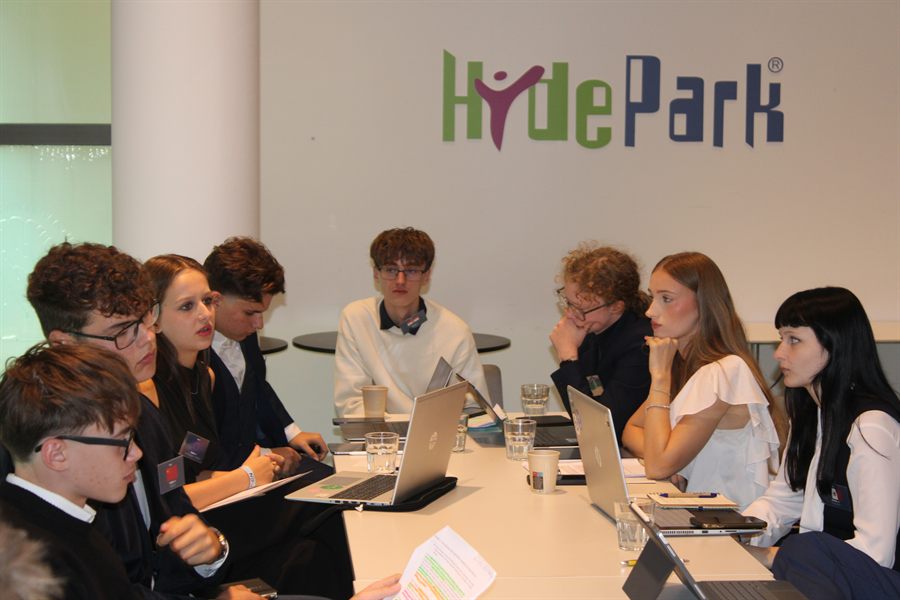
Step into the role of a world leader and navigate the complexities of international negotiation.
Sharpen your public speaking, negotiation and debating abilities under real time pressure.
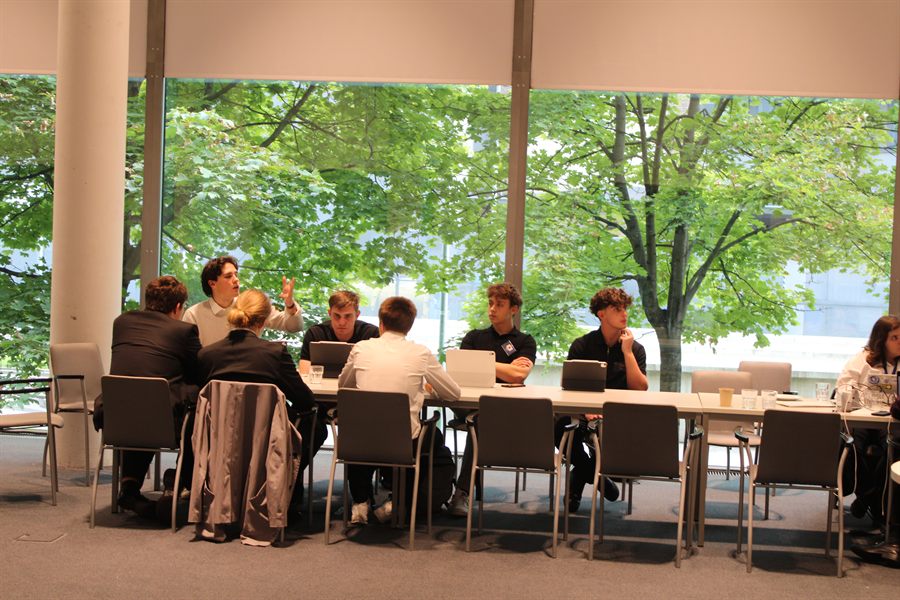
Tackle global economic, environmental and political challenges in a dynamic setting.
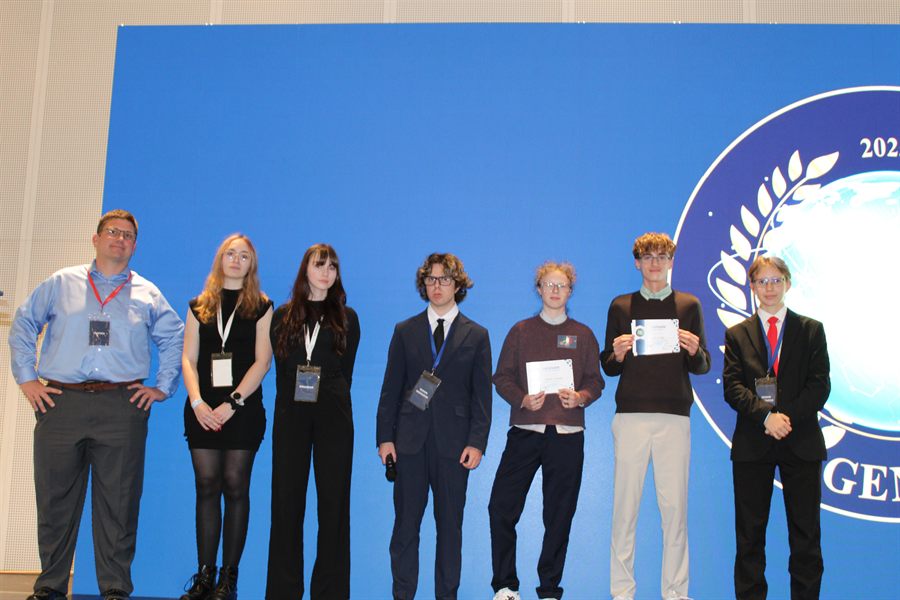
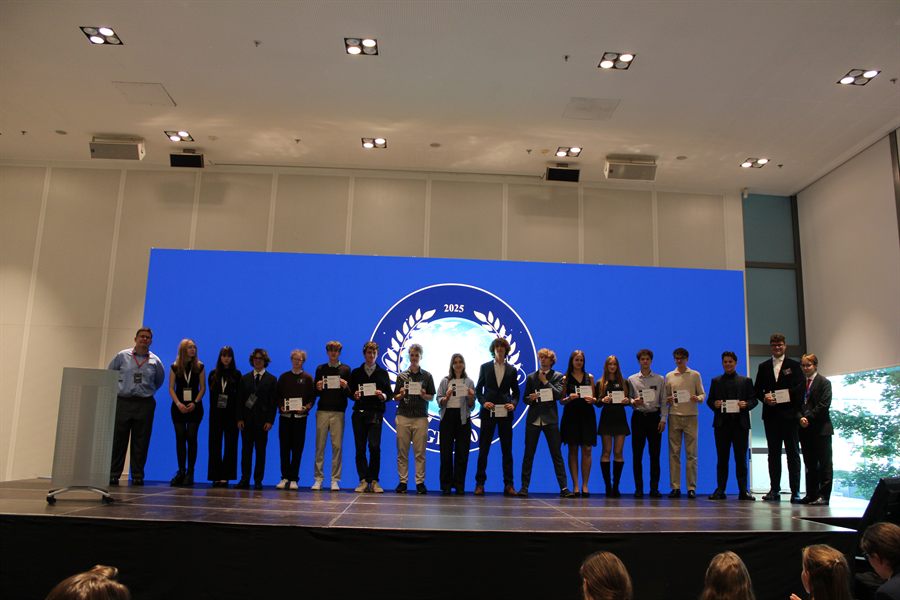
Compete for awards that are acknowledged by universities.
4.42
★★★★★
Delegates rated the founding edition 4.42 out of 5.
Average of 17 delegate ratings for GenTwenty 2025, published on mymun.
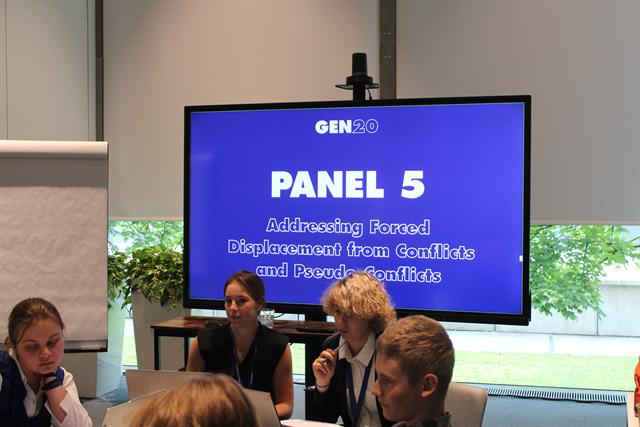
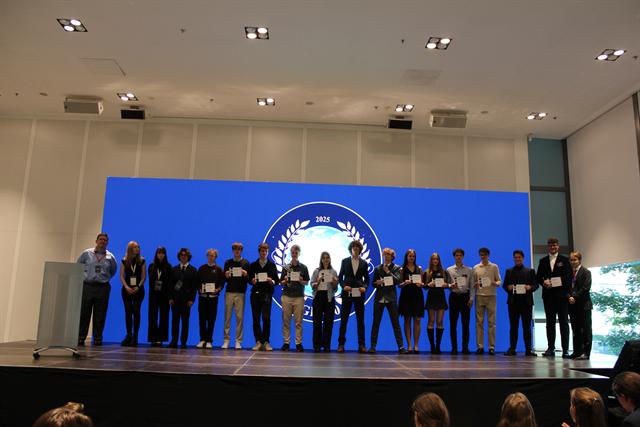
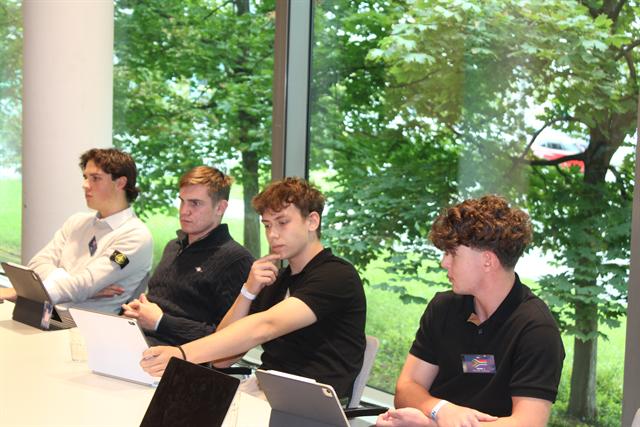
Gen20 2025
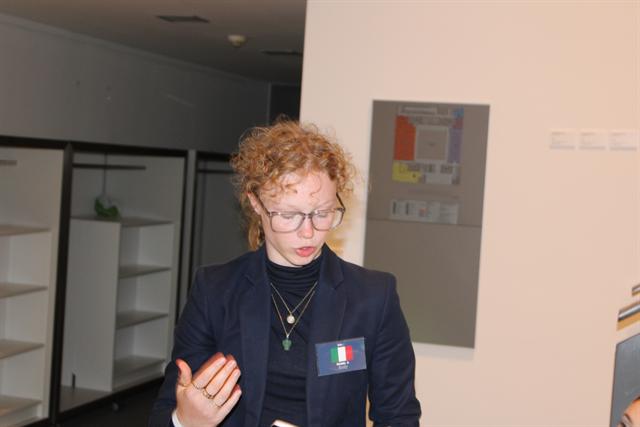
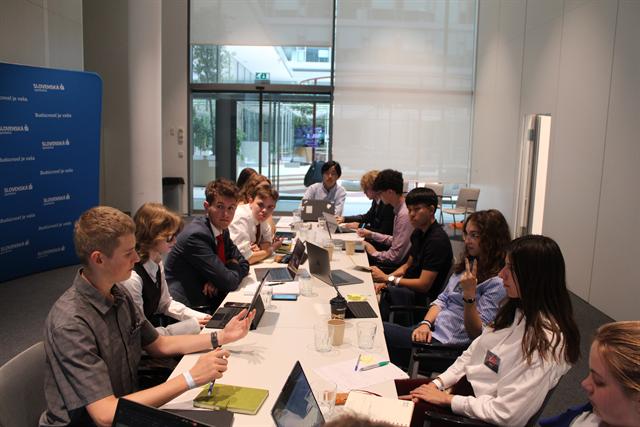
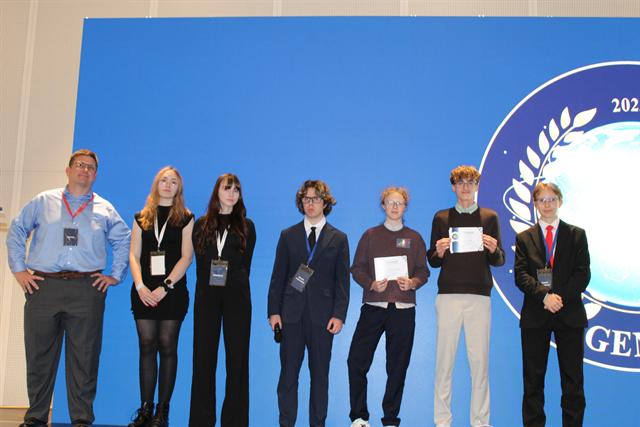
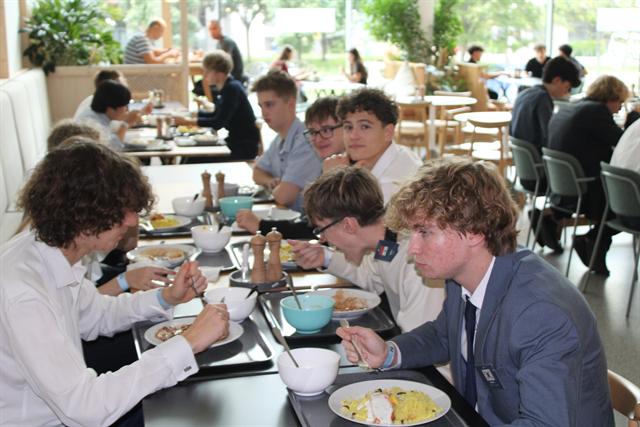
The people behind it
The Founders

Founder · Head of External Affairs, Graphic Design, Finance Management and Event Planning.
Founding year 2024/2025

Founder · Head of Internal Affairs, Social Media Management, Research and Agenda Management.
Founding year 2024/2025
The Secretariat

External Affairs · Event Planning · Finance Management

Internal Affairs · Research · Agenda Management
External Affairs · Graphic Design · Social Media Management
Before you apply
Gen20 is open to high-school students aged 15 to 21. You do not need to attend Jur Hronec Grammar School. Delegates from other schools are welcome.
No. The conference is designed for new as well as experienced delegates. If this is your first simulation, the study guide and your committee chair will get you up to speed.
English throughout. Participants are expected to communicate fluently in English and to have a basic understanding of economics.
Applications are handled through mymun. You will choose between one and three committee preferences and submit a short motivation letter. Applications close on 14 September 2026.
The Secretariat allocates delegations after applications close, taking your stated preferences into account. There are fourteen seats in each of the seven committees.
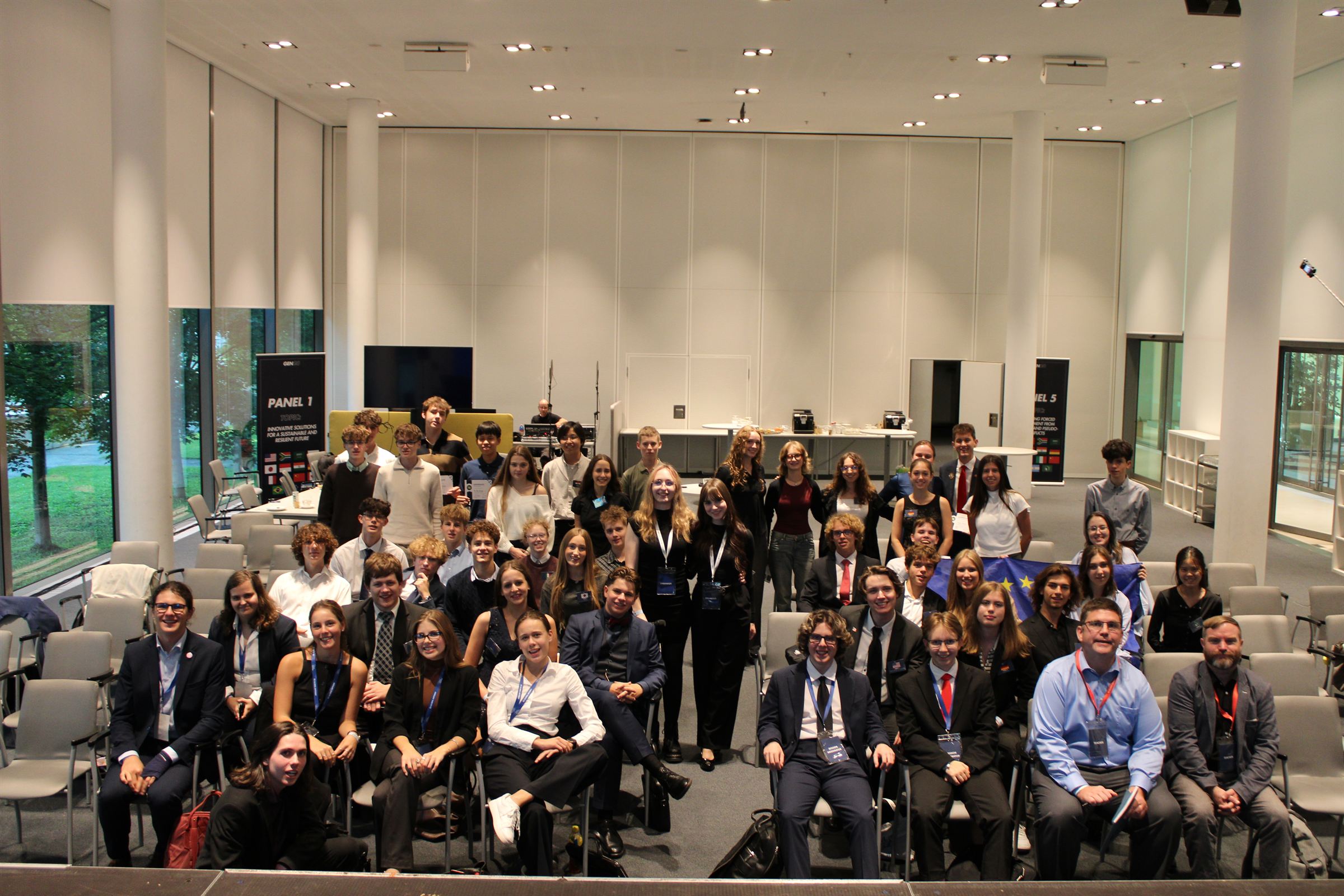
The 2026 edition is held at the Bratislava University of Economics and Management (VŠEM), Furdekova 3240/16, 851 04 Bratislava. The founding edition was hosted at the Slovenská sporiteľňa Headquarters on Tomášikova, with committee rooms, an auditorium and a glass atrium used much as a real summit would use them.
It is the summit's final document: a joint statement of the resolutions your committee has agreed, reached by consensus rather than by vote. If you disagree with the outcome, you may submit a Statement of Divergence setting out your own position.